MAGHAKYAN BOTANIC
Maghakyan Botanic
Plants
Basic Information
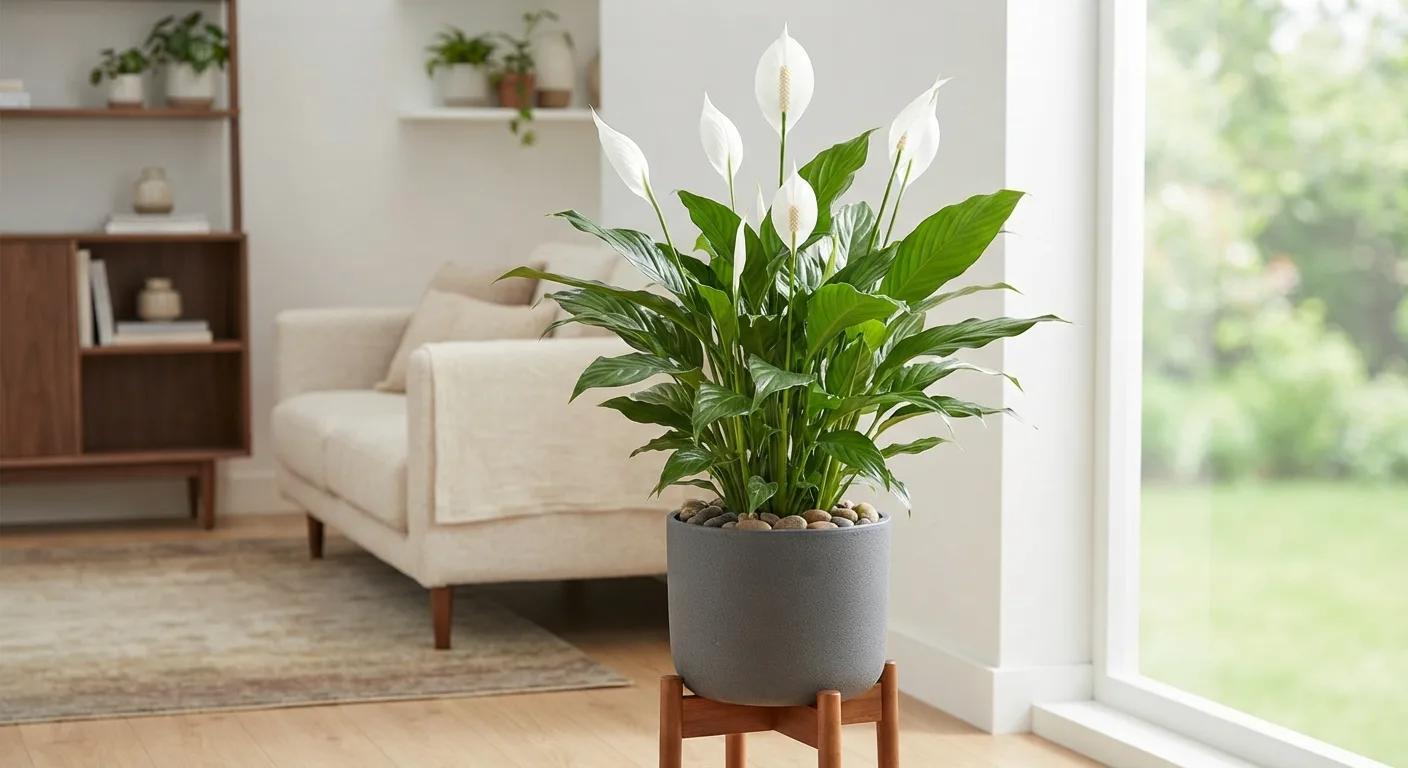
Spathiphyllum (Spathiphyllum wallisii), commonly known as the peace lily, is one of the most popular flowering indoor plants. It is recognized by its glossy dark-green leaves and elegant white flower-like spathes, which give the plant a clean, calm, and refined appearance. Spathiphyllum is widely used in interior landscaping for homes, offices, hotels, medical centers, waiting areas, and other public interiors. Its compact growth, long-lasting decorative value, and adaptability make it suitable both as a standalone feature plant and as part of a larger indoor planting composition.
Light
Spathiphyllum performs best in bright, indirect light. Strong direct sunlight may scorch the leaves and damage the delicate white spathes, while prolonged low-light conditions can reduce or completely prevent flowering. The plant can tolerate partial shade, but the best results are usually achieved near an east- or west-facing window or in a bright room protected from harsh midday sun.
Watering
Peace lilies prefer relatively consistent moisture but do not tolerate waterlogged soil. Water when the top 2–3 cm of the potting mix begins to dry. Prolonged dryness often causes the leaves to droop, while constantly wet soil may lead to root problems and yellowing foliage. The container should always have good drainage, and excess water should not be allowed to remain in the saucer.
Temperature and Humidity
An ideal temperature range for Spathiphyllum is approximately 18–27°C. The plant is sensitive to cold drafts, sudden temperature changes, and prolonged exposure to low temperatures. It adapts reasonably well to average indoor humidity, although moderately higher humidity can help the leaves and blooms remain fresher for longer. In very dry rooms, keep the plant away from heating appliances and increase ambient humidity if necessary.
Soil and Fertilization
Spathiphyllum prefers a light, nutritious, airy, and well-draining potting mix. A high-quality substrate for flowering houseplants works well, especially with added perlite or another material that improves aeration. From spring through early autumn, during active growth and flowering, a balanced fertilizer or a fertilizer formulated for flowering indoor plants may be applied approximately every 4–6 weeks according to label directions. Feeding should be reduced during winter.
Important Care Tips
Remove yellow, dry, or damaged leaves and spent flower stalks regularly. Keep the foliage clean to preserve its natural shine and healthy appearance. If the leaves droop, check soil moisture first; if they yellow, review watering frequency and drainage. Lack of flowering is often associated with insufficient light, an oversized pot, or an imbalance in nutrition. With stable conditions and proper indoor plant care, Spathiphyllum can remain lush, healthy, and elegant for many years, making it an excellent choice for professional interior landscaping.