MAGHAKYAN BOTANIC
Maghakyan Botanic
Plants
Basic Information
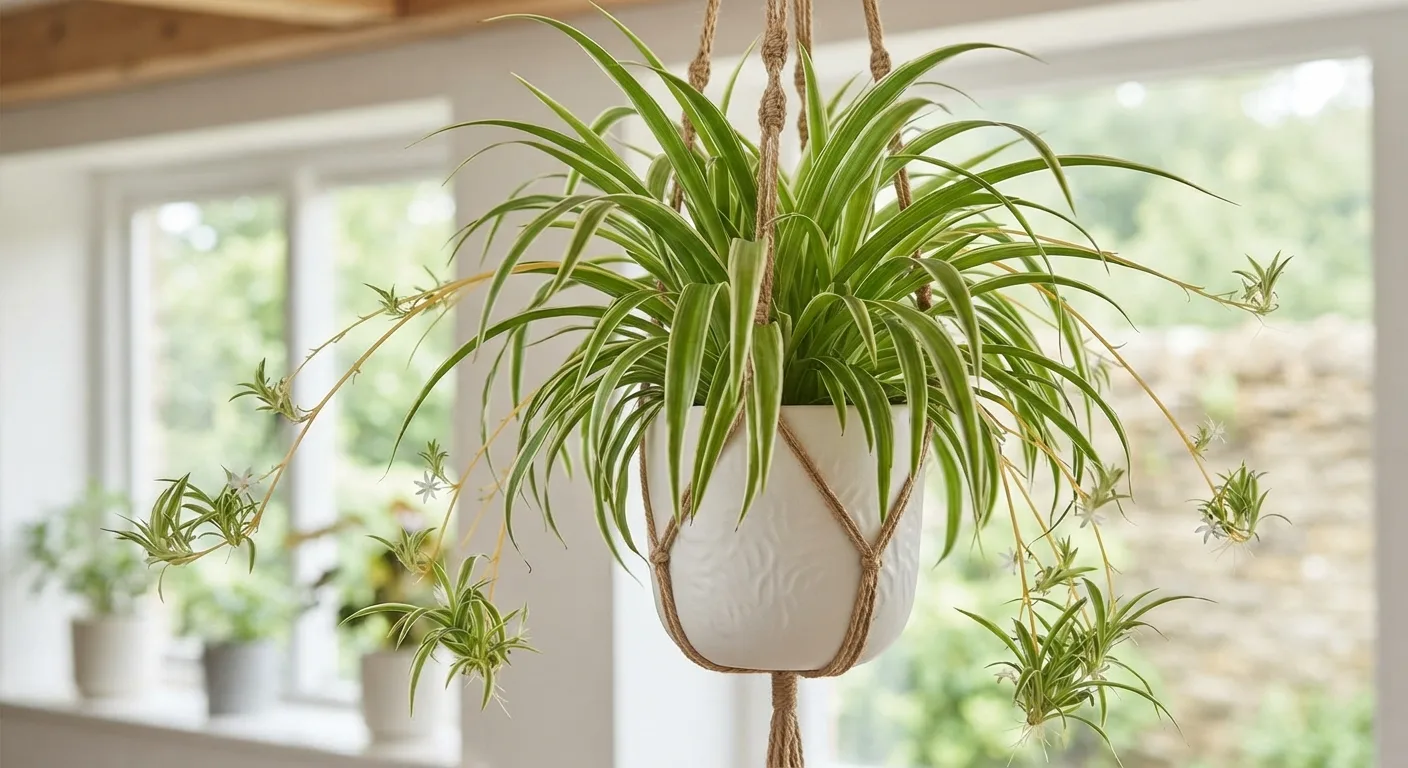
Chlorophytum (Chlorophytum comosum), commonly known as the spider plant, is one of the best-known and easiest indoor plants to maintain. It is recognized by its long, narrow, arching leaves, which may be solid green or striped with white or cream. Its light and fresh appearance makes it a popular choice for interior landscaping in homes, offices, hotels, medical centers, waiting areas, and other public interiors. Chlorophytum grows quickly and produces long arching stems with small plantlets, making it especially attractive in hanging or elevated planters.
Light
Chlorophytum performs best in bright, indirect light. It can adapt to partial shade, although variegated cultivars may lose some of the contrast in their pale stripes when light levels are too low. Strong direct sunlight, particularly during summer, may scorch the leaves. An east- or west-facing position is usually ideal, or any bright indoor location protected from harsh midday sun.
Watering
Spider plants prefer moderate and consistent watering. Water when the top 2–3 cm of the potting mix begins to dry. The plant can tolerate short periods of mild dryness, but prolonged lack of water may cause
brown leaf tips and a generally tired appearance. Constantly wet soil, on the other hand, can damage the roots. Watering frequency should usually be reduced during winter.
Temperature and Humidity
A temperature range of approximately 18–26°C is suitable for Chlorophytum. The plant is adaptable, but it should be protected from cold drafts, prolonged low temperatures, and sudden temperature changes. Average indoor humidity is usually sufficient, although very dry air can cause brown leaf tips. Moderate humidity and regular leaf cleaning help maintain a healthy, fresh appearance.
Soil and Fertilization
Chlorophytum grows best in a light, fertile, and well-draining potting mix. A good-quality indoor plant substrate can be improved with perlite or another aerating material. During the active growing season, from spring through early autumn, a balanced liquid houseplant fertilizer may be applied approximately every 4–6 weeks according to label directions. Avoid overfertilization, as excess salts can also contribute to brown leaf tips.
Important Care Tips
Remove dry or damaged leaves regularly and keep healthy foliage free from dust. If the tips of the leaves turn brown, check watering consistency, humidity, and water quality. Chlorophytum is very easy to propagate from the small plantlets that form on its long stems. Its root system develops quickly, so repotting may be necessary once the container becomes crowded. Thanks to its resilience, fast growth, and graceful appearance, Chlorophytum is an excellent choice for indoor plant care and professional interior landscaping.