MAGHAKYAN BOTANIC
Maghakyan Botanic
Plants
General Information
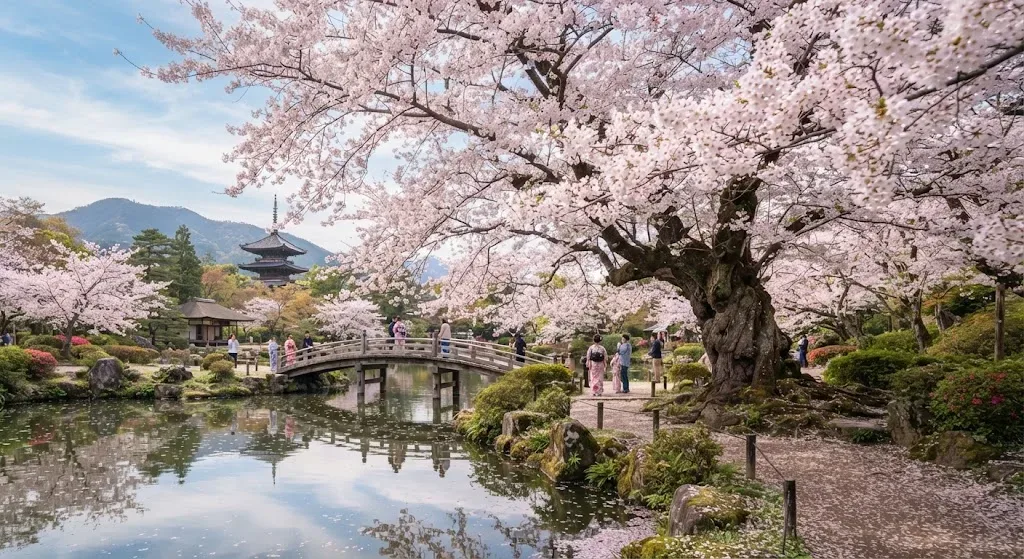
Sakura (Prunus serrulata), commonly known as Japanese flowering cherry, is an ornamental deciduous tree famous for its spectacular spring blossom. Depending on the cultivar, the flowers may be white, pale pink or deeper pink, with single or double petals. Sakura is widely used in landscape design, parks, private gardens, avenues, entrance areas and formal green spaces.
The tree typically develops an elegant broad or rounded crown and is especially effective as a specimen tree. After flowering, attractive green foliage maintains its ornamental value, while many cultivars develop yellow, orange or reddish autumn color. Successful sakura cultivation depends on choosing the right site, providing good drainage and maintaining consistent care, particularly during the first years after planting.
Light Requirements
Sakura is a sun-loving tree and flowers most abundantly in full sun. Ideally, it should receive at least 6 hours of direct sunlight each day. Good light supports flower-bud formation, balanced crown development and strong annual growth.
Light partial shade is tolerated, but prolonged shade may reduce flowering and encourage elongated, weaker shoots. When selecting a planting site, it is also advisable to avoid locations exposed to very strong, drying winds, which can damage blossoms and tender young branches.
Watering
During the first two years after planting, sakura requires regular and deep watering. The soil should remain moderately moist, especially in spring and during hot summer periods. Irrigation should penetrate the active root zone rather than only wetting the soil surface.
Established trees tolerate short dry periods better, but prolonged drought can weaken the plant and reduce flowering performance in the following season. At the same time, sakura does not tolerate permanently waterlogged soil. Standing water around the roots increases the risk of root decline and fungal disease, so effective drainage is essential.
Temperature and Humidity
Cold tolerance varies among sakura cultivars, but many forms of Prunus serrulata grow successfully in temperate climates. Young trees are more sensitive to severe winter cold and late spring frosts during their first years. Frost is particularly damaging when flower buds are swelling or beginning to open.
High atmospheric humidity is not essential. In hot, dry climates, maintaining consistent soil moisture is more important. A layer of organic mulch around the root zone helps conserve moisture, reduce soil overheating and protect roots from sudden temperature fluctuations.
Soil and Fertilization
Sakura performs best in fertile, light, well-drained and moderately moist soil. Slightly acidic to neutral soil is generally ideal. Heavy clay soils that remain wet for long periods should be improved with organic matter and, where necessary, additional drainage.
Mature compost or high-quality organic material can be incorporated at planting. In spring, a balanced complete fertilizer may be applied at a moderate rate to support healthy growth and flowering. Excessive nitrogen should be avoided because it can stimulate vigorous leafy growth at the expense of blossom production. High-nitrogen feeding is also best avoided in late summer and autumn.
Important Care Tips
Choose a planting location where the crown has enough space to develop naturally. Avoid planting sakura too deeply; the root flare should remain close to the final soil level.
Sanitary pruning should remove dead, diseased, damaged or crossing branches. Heavy shaping is usually unnecessary because the natural form of a Japanese flowering cherry is one of its main ornamental qualities. Pruning is generally best carried out after flowering or during summer to reduce the risk of disease.
Inspect the tree regularly for aphids, fungal leaf spots and other common problems. With proper site selection, regular irrigation and balanced care, sakura becomes one of the most impressive flowering trees in a landscape, providing a dramatic spring display and significantly increasing the ornamental value of gardens and urban green spaces.