MAGHAKYAN BOTANIC
Maghakyan Botanic
Plants
Basic Information
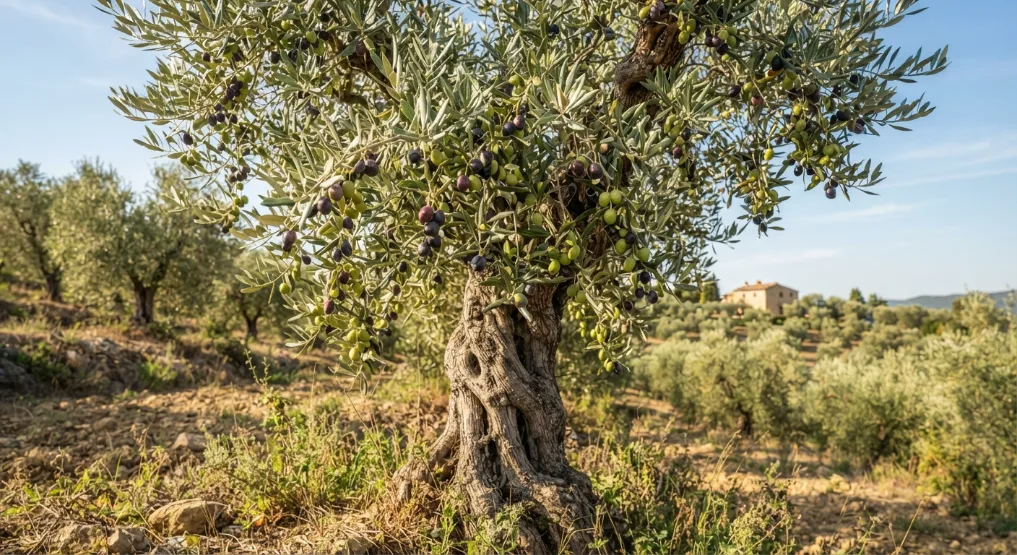
The olive tree (Olea europaea) is an evergreen, long-lived, and highly ornamental tree known for its narrow silver-green leaves, expressive trunk, and unmistakable Mediterranean character. It is cultivated both as a fruit tree and as an important plant in landscape design, outdoor landscaping, terraces, hotels, restaurants, and large container displays. Olive trees work especially well in minimalist gardens and contemporary architectural settings. With the right site and appropriate care, an olive tree can maintain a healthy, dense, and elegant appearance for many years.
Light
Olive trees are highly light-demanding and perform best in full sun. Ideally, they should receive at least 6 hours of direct sunlight each day. In insufficient light, shoots may become elongated, the canopy may thin, growth can weaken, and fruiting may decline. For outdoor planting, choose an open, sunny, well-ventilated location. Container-grown olive trees should be placed in the brightest possible position, preferably with southern or south-western exposure.
Watering
Young and newly planted olive trees require more regular watering until their root systems become well established. Mature olives are relatively drought tolerant, but during prolonged heat and dry weather, occasional deep watering helps maintain healthy foliage and steady growth. Water only after the upper soil layer has dried noticeably. Constantly wet soil is dangerous and can lead to root rot. Excellent drainage is especially important for olive trees grown in containers.
Temperature and Humidity
Olive trees prefer a warm, sunny, and relatively dry climate. A temperature range of approximately 18–30°C is ideal for active growth. Mature trees can tolerate brief periods of light frost, but severe or prolonged freezing temperatures may damage young plants and container-grown specimens. High atmospheric humidity is not required. Good air circulation and avoiding prolonged leaf wetness are more important, particularly where fungal disease risk is present.
Soil and Fertilization
Olive trees prefer light, structured, and well-draining soil. Heavy clay or water-retentive soils should be improved to increase aeration and drainage. For container cultivation, use a quality general-purpose or Mediterranean-plant potting mix amended with perlite, pumice, or coarse sand. During spring and summer, a balanced fertilizer may be applied in moderate amounts according to label directions. Feeding should be reduced in autumn and is usually paused during winter.
Important Care Tips
Moderate structural pruning is an important part of olive tree care. In early spring, remove dry, damaged, crossing, or overly dense branches while preserving the natural form of the canopy. Rotate container-grown trees occasionally so all sides receive even light. Yellowing leaves are often linked to overwatering or poor drainage, while significant leaf drop may result from low light, abrupt temperature changes, or root stress. Inspect the undersides of leaves regularly for scale insects, spider mites, and other pests. With strong light, controlled deep watering, and excellent drainage, the olive tree becomes a long-lasting and valuable choice for landscape design, terraces, and professional outdoor greening.