MAGHAKYAN BOTANIC
Maghakyan Botanic
Plants
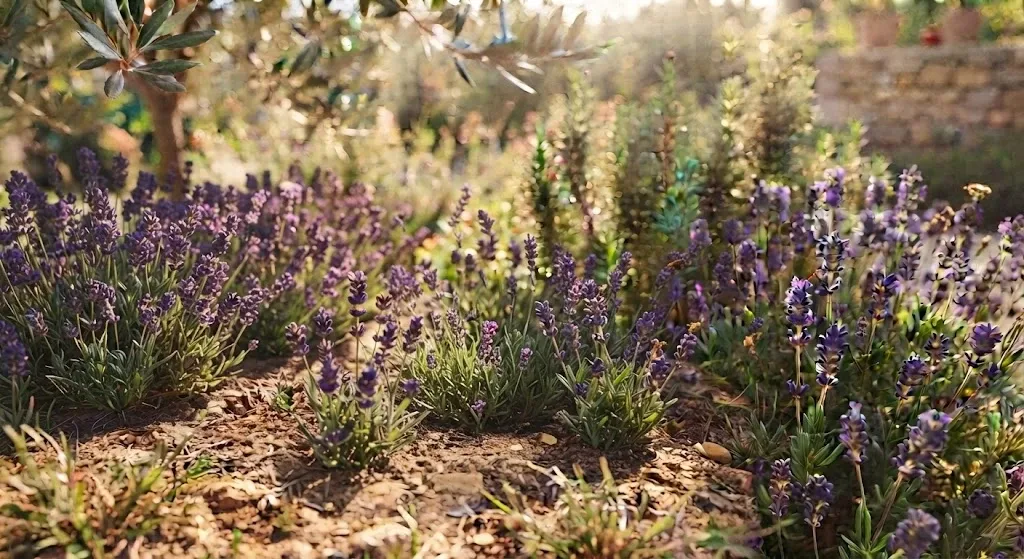
Lavender (Lavandula) is a perennial evergreen or semi-evergreen ornamental plant valued for its distinctive fragrance, elegant purple flowers and attractive compact growth habit. Lavender is widely used in landscape design, garden borders, pathways, rock gardens, flower beds and decorative planting schemes.
Successful lavender growing depends mainly on full sun, well-drained soil and moderate watering. Lavender is considered a sun-loving and drought-tolerant plant, making it an excellent choice for low-maintenance gardens and modern landscaping projects. When grown under suitable conditions, lavender can remain healthy and decorative for many years. Its fragrant flowers also attract bees and other beneficial pollinators, making lavender a valuable addition to environmentally friendly gardens.
Lavender requires plenty of sunlight and performs best when it receives at least 6–8 hours of direct sunlight every day. Plants grown in excessive shade may become stretched, less compact and produce fewer flowers. For healthy lavender growth, choose an open, sunny location with good air circulation. Adequate sunlight encourages abundant flowering, compact growth and stronger fragrance.
Correct watering is one of the most important aspects of lavender care. Lavender does not tolerate consistently wet soil and generally copes with short periods of drought much better than excessive moisture. Newly planted lavender should be watered regularly until the root system becomes established. Mature plants should be watered only when the upper layer of soil has dried. Overwatering and poor drainage may cause root rot, fungal diseases and gradual weakening of the plant. Always avoid standing water around the roots.
Lavender prefers warm, sunny and relatively dry growing conditions. High humidity combined with poor air circulation can increase the risk of fungal problems. Cold tolerance varies between lavender species and cultivars. English lavender, Lavandula angustifolia, is among the more cold-hardy types and is often suitable for areas with colder winters. During winter, good drainage is especially important. Cold, waterlogged soil can cause more serious damage to lavender than low temperatures themselves.
Lavender grows best in light, loose and well-drained soil with a neutral to slightly alkaline pH. Heavy clay soil should be improved before planting. Adding coarse sand, fine gravel or other drainage-enhancing materials can help prevent excess moisture around the roots. Lavender does not require heavy fertilization. Excessive nitrogen encourages lush foliage growth but can reduce flowering. A moderate application of a balanced fertilizer or fertilizer formulated for flowering plants may be used in spring.
Regular pruning helps maintain a healthy, compact and attractive lavender plant. After flowering, remove faded flower spikes and lightly shape the bush. In spring, approximately one-third of the previous season's green growth can be trimmed. Avoid cutting deeply into old woody stems, as they may not regenerate successfully.
Allow sufficient spacing between plants to improve air circulation. Avoid overwatering, poorly drained soil and excessive nitrogen fertilizers. With proper planting and lavender care, this aromatic plant becomes a long-lasting, drought-tolerant and low-maintenance choice for gardens, courtyards, borders and professional landscape design.